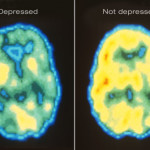
When we think of inflammation we usually only think of what happens when we injure ourselves. When we think brain inflammation, we usually only think about things like Meningitis or some other wicked parasite or infection. But the fact is, much less serious infections can have a serious effect on the brain.
When the immune system is under attack, be it from physical injury, infections, or toxins, the immune system generates an inflammatory response. Inflammation is a normal physiological process that is now understood to play a major role in many chronic medical illnesses, including cancer, heart disease, diabetes, asthma, and obesity. And now we know it plays a big role in depression as well.
In each of these cases inflammation causes the release of cytokines. Cytokines, which come in many different classes, including anti- and pro-inflammatory, behave as messengers and signal cells of the immune system.
. It appears that inflammation and the complicated collection of immune system chemical messengers called cytokines play an important role in brain function and may cause psychological symptoms.
Also, according to Dr. Greenblatt:
Cytokines activate an enzyme, indoleamine 2,3-dioxygenase (IDO), which degrades serotonin resulting in low levels of the neurotransmitter. IDO also degrades the precursor to serotonin, tryptophan. Decreased levels of the neurotransmitter serotonin are likely the contributing factor to the development of depressive symptoms. The inflammatory process’ contribution to the constant destruction of serotonin decreases the chances of recovery.
For too many years we have tried to correlate depression with a deficiency of serotonin and related neurotransmitters in the brain. Using medications based on this theory has yielded dismal results, barely better than a placebo. If we understand the underlying physiological abnormalities contributing to mood disorders, then we are likely to benefit from more effective solutions.
Understanding the connection between depression and inflammation gives researchers and pharmaceutical companies incentive to look for alternative medications to treat depression.
In the meantime there are, however, well-researched lifestyle and nutritional interventions that are known to decrease inflammation and improve mood: exercise, stress reduction, nutritional supplements ( omega-3 fatty acids being one of them), and optimizing vitamin D levels. Chronic stress is one of the major preventable contributors to inflammation and immune dysregulation.
For each individual the inflammatory response is likely precipitated by a unique and complex interaction of causative agents. Infection, stress, nutritional deficiencies, and sedentary lifestyles are the most common factors. Individual, personalized understanding of inflammation and its contributions to the physiology of mood disorders is a critical, but often neglected component of integrative therapies for depression. By neglecting the underlying cause of depression, recovery is less likely.
I know it gets a bit thick in medicinal terms, but the long and short of it is, keep your immune system in check, inflammation out, lower your stress levels and up your quality nutritional supplements and your symptoms of depression will resolve themselves.
To Your Great Health!
Related articles across the web